
FISP Extension Requests in NYC for Unsafe Facade Repairs That Need More Time
DOB gives owners 90 days to repair conditions reported as Unsafe. When the work is too big for that window, a FISP extension request filed in DOB NOW Safety keeps the building covered and keeps failure to correct penalties from starting. We are a licensed and insured NYC facade contractor who prepares the repair schedule, contract, and permits your inspector needs to file each extension on time.
- Licensed and insured
- 24/7 emergency response
- Free report review
Independent contractor. Not affiliated with the NYC Department of Buildings.
In Short
FISP Extensions at a Glance
- An Unsafe report starts a 90-day repair clock, and a FISP1 initial extension can add up to 90 more days.
- Your inspector files each request in DOB NOW Safety after the owner signs, and DOB charges $305 for each extension of time.
- Extensions must run back to back with no gaps, and none can go past the Unsafe completion date on the report.
What Is a FISP Extension Request?
A FISP extension request asks DOB for more time to finish repairing conditions that a facade report rated Unsafe. The first request is the FISP1 Initial Extension of Time, and every request after it is a FISP2. Both are tied to the accepted Unsafe report and are filed in DOB NOW Safety by the licensed inspector who handles the building’s filings.
An extension covers repair time only. DOB’s fee schedule lists no extension for filing the report itself, so a building that missed its filing window is treated as a late FISP filing instead.
Reviewed by Muhammad Ali, Facade Contractor
Licensed and insured Local Law 11 repair work across NYC

When a FISP Extension of Time Makes Sense
Most Unsafe repairs can finish in 90 days. These are the jobs that usually cannot.
Repairs Too Large for 90 Days
Rebuilding a parapet, replacing terra cotta units, or resetting a run of steel lintels often takes more than one season.
Permits Still Under Review
When the repair needs a DOB work permit or landmark approval, the clock can run out before work is allowed to start.
Neighbor Access Not Yet Signed
Rigging over an adjoining roof needs the neighbor’s written consent, and that agreement can take weeks.
Cold Weather Limits
Mortar, patching, and sealant work have temperature limits, so winter can stretch a masonry schedule.
What DOB Requires in a FISP1 Initial Extension
The FISP1 form and the DOB NOW Safety manual list these items for the first request.
Estimated Repair Time Statement
A signed and sealed statement from a licensed engineer or architect giving the time the repairs need.
Repair Timetable
A schedule that shows each phase of work and when it ends.
Temporary Safety Measures
An assessment of the shed, fence, or other protection keeping the public safe in the meantime.
Protection Permits
Copies of the shed or fence permit for the site.
Scope of Work and Permit
A short description of the repairs, with the work permit attached when one is required.
Notarized Owner Letter
A letter signed by the owner stating the work will be finished within the timetable.
Listed on DOB’s FISP1 form and in the DOB NOW Safety manual.
How a FISP2 Additional Extension Is Different
A FISP2 is filed when the FISP1, or the last FISP2, is about to run out. It works like a progress report. DOB wants to see what changed since the last request, not only a new end date.
If no work was done in the last period, the request must say so. A FISP2 that shows steady progress is far easier to support than one that shows none.
What a FISP2 Includes
- Work completed since the last extension
- Work still remaining
- Reasons for the delay
- A new estimated completion date
- Detailed photographs of the work
- A fresh notarized owner letter
FISP Extension Rules That Catch Owners Off Guard
No Gaps Between Requests
Owners owe civil penalties for any period after the first 90 days that an accepted extension does not cover. A late request leaves a gap.
The Unsafe Completion Date Is a Hard Stop
DOB will not grant an extension past the completion date on the report. Moving that date takes a subsequent report.
Tied to the Latest Unsafe Report
Requests are filed in the cycle with the most recent accepted Unsafe report and must cite the initial Unsafe report number, such as TR6-123456-I1.
Protection Stays in Place
The shed or fence stays up until an amended Safe or SWARMP report is accepted or DOB approves a partial shed removal.
Rules from DOB’s Façade Compliance page.
From Unsafe Report to Approved Extension, Step by Step
Unsafe Report Accepted
The 90-day repair clock starts, and protection goes up right away.
Scope, Contract, and Permits
We price the repairs, the owner signs the contract, and any needed permits are filed in the first weeks.
FISP1 Before Day 90
Your inspector files the initial extension with the timetable and the owner’s notarized letter, and the $305 fee is paid.
FISP2 Before Each Extension Ends
Progress photos, remaining work, and reasons for any delay go into the next request.
Repairs Finished
Your inspector files an amended report so the Unsafe status can close.
Start the FISP1 Early
A request filed weeks before day 90 leaves time to answer DOB questions. One filed on the last day risks a gap if DOB sends it back.
FISP Extensions vs Local Law 51 Shed Deadlines
Buildings whose first sidewalk shed permit was issued after Local Law 51 took effect face a second set of repair deadlines, with its own extension. The two are filed separately.
| Detail | FISP1 and FISP2 | Local Law 51 Extension |
|---|---|---|
|
What it extends |
Time to repair Unsafe conditions after the 90-day window |
Deadlines to file repair plans (5 months), file the permit application (8 months), and finish repairs (2 years) from the shed permit |
|
What starts the clock |
Filing of the Unsafe report |
Issue date of the first sidewalk shed permit |
|
Who requests it |
The licensed inspector, after the owner signs |
The owner, in writing |
|
What it needs |
Sealed time estimate, timetable, owner letter, permits |
Documents explaining the delay and a contract with the scope and timeline |
|
Penalty if missed |
Failure to correct civil penalties for any uncovered period |
$5,000 to $20,000 for each missed deadline |
|
Fee |
$305 per request |
Set by DOB rule |
From Local Law 51 and DOB’s Façade Fees and Penalties page. While a Local Law 51 request is pending, its deadlines are paused.
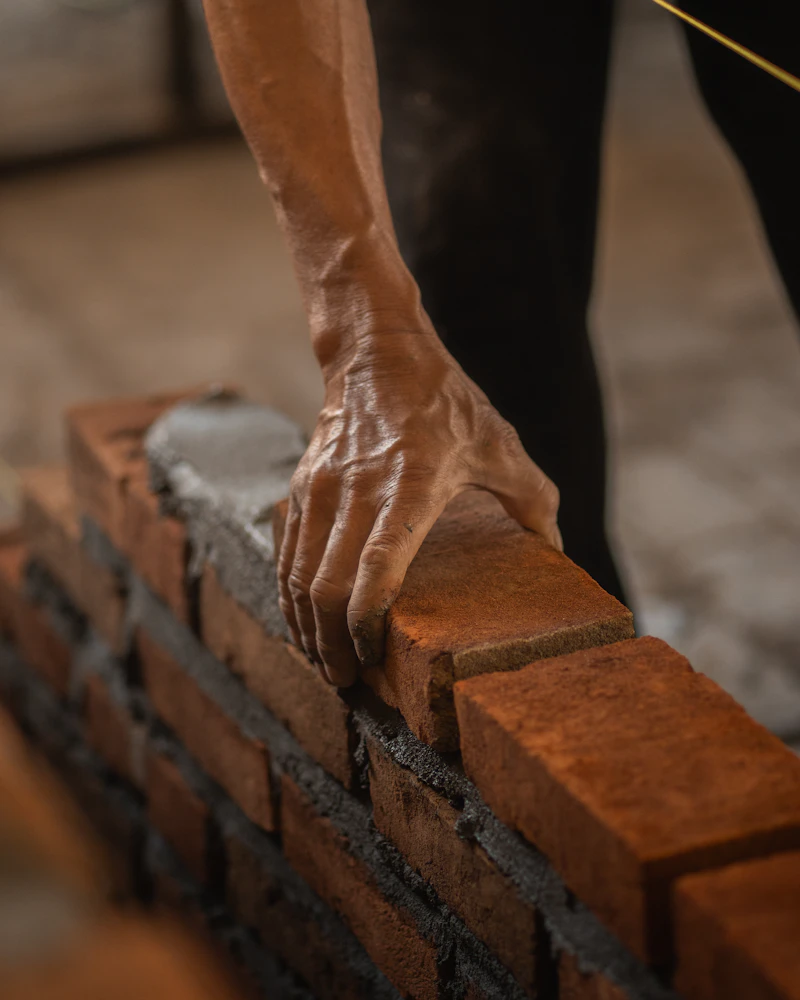
How Our Repair Team Backs Every FISP Extension Request
We do not file extensions. Your licensed inspector does, and we supply the construction records every request depends on.
A Signed Contract and Clear Scope
We price the Unsafe repairs and put the scope in writing, so the request has a real contract behind it.
A Timetable We Can Keep
We schedule each phase around permits, access, and weather, so the date your engineer seals is one we can meet.
Permits and Protection in Order
We file the work permits and keep the shed or fence permits current for every extension period.
Progress Photos Before Each FISP2
We send dated photos and work logs ahead of each deadline, so your inspector can file without chasing us.
Running Out of Repair Time?
Send the Unsafe report and the date it was accepted, and we will map out a repair schedule your inspector can file with.
What Adds Cost When FISP Repairs Run Long
Extra time has a price of its own, separate from the repairs. We quote the repair and protection work after a free review.
- DOB’s $305 fee for each extension of time
- The inspector’s fee for preparing each FISP1 and FISP2
- Shed or fence rental for every added month
- Failure to correct penalties for any gap, starting at $1,000 a month and adding a charge per foot of shed from the second year
- Scope changes found once the wall is opened
Penalty schedule from DOB’s FISP outreach presentation.
FISP Extension Terms on Your DOB Record
These three terms show up in DOB NOW Safety on a building with an open Unsafe report.
FISP1 Initial Extension of Time
The first request for more time to repair Unsafe conditions, filed after the Unsafe report is accepted.
FISP2 Additional Extension
Each later request, filed before the current extension ends and showing the work done since.
Unsafe Completion Date
The repair deadline set in the report. No extension can go past it.
FISP Extension Questions From NYC Owners
Not sure your repairs will finish on time? Call (917) 355-8556 or send us the report for a free extension review.
A FISP1 adds up to 90 days after the first 90-day repair window. After that, a FISP2 is filed before each extension ends, roughly every 90 days, until the work is done. No extension can go past the Unsafe completion date on the report.
DOB charges $305 for each extension of time to complete repairs. The inspector’s fee for preparing the request is separate, and so is the cost of keeping the shed or fence up longer.
The licensed inspector files it in DOB NOW Safety after the owner signs electronically. The owner also provides a notarized letter promising to finish the work within the timetable.
DOB’s fee schedule lists an extension only for completing repairs, not for filing the report. A building that missed its window should file as soon as possible to stop the late filing penalties.
The days between the two requests are not covered, and DOB can charge failure to correct penalties for that period. Filing the next request a few weeks early avoids the gap.
No. DOB will not grant time beyond the completion date listed in the report. Moving that date requires a subsequent report from the inspector.
No. The FISP1 and FISP2 forms apply to Unsafe conditions. SWARMP conditions carry their own repair date in the report, and any left unrepaired must be reported as Unsafe in the next cycle.
Not until the work is done and accepted. Protection stays up until an amended Safe or SWARMP report is accepted or DOB approves a partial shed removal.
Related Guides for Unsafe Facade Repairs
Each guide below covers a step that sits next to an extension request.
Unsafe Facade Correction
SWARMP Repairs
DOB Facade Repair Permits
Sidewalk Shed Removal
Amended FISP Reports